
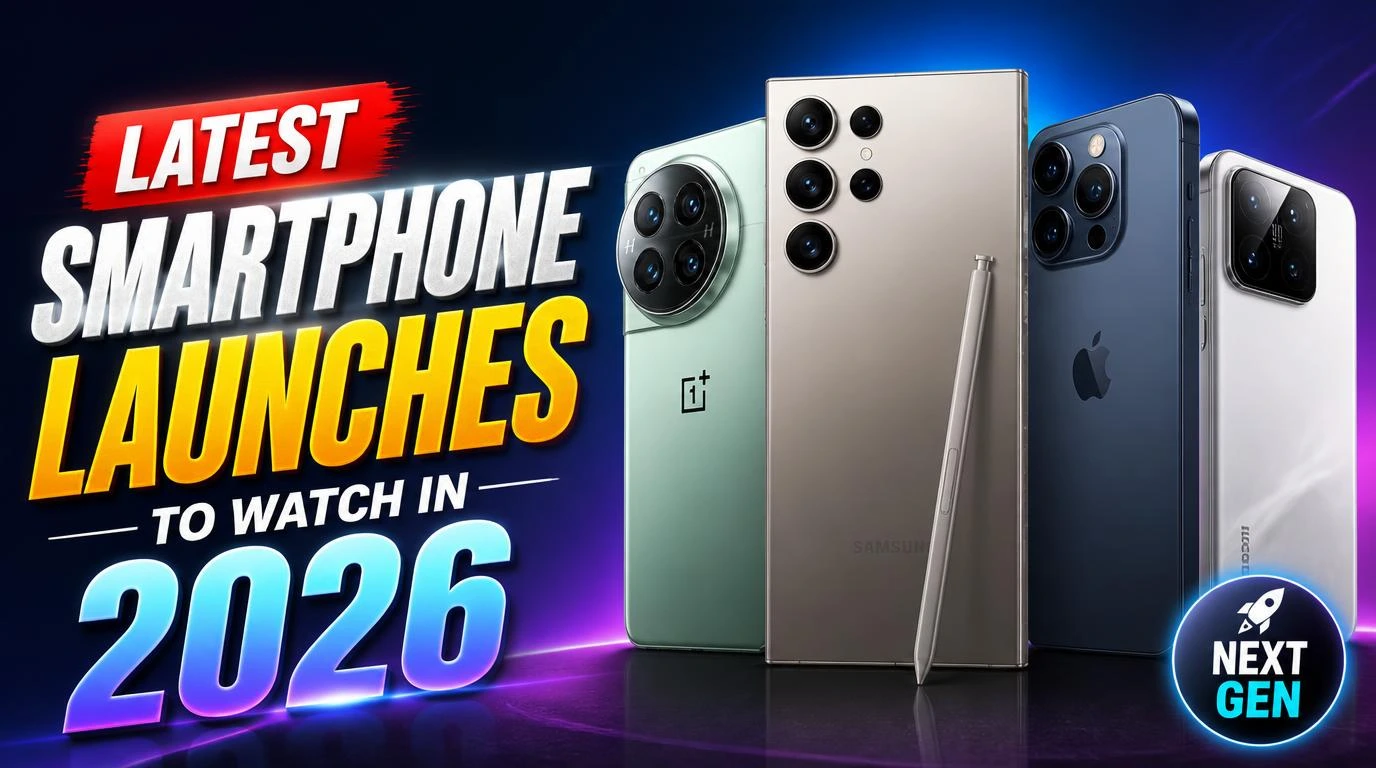
The latest smartphone launches to watch in 2026 have me genuinely excited for the first time in years, and I don’t say that lightly. After a few years of incremental upgrades and recycled designs, this year feels different. Brands are swinging big with foldables, AI-native chips, satellite connectivity, and cameras that honestly embarrass some mirrorless setups. If you’ve been holding off on upgrading, your patience is about to pay off. Here’s every phone worth caring about this year.
1. Samsung Galaxy S26 Ultra
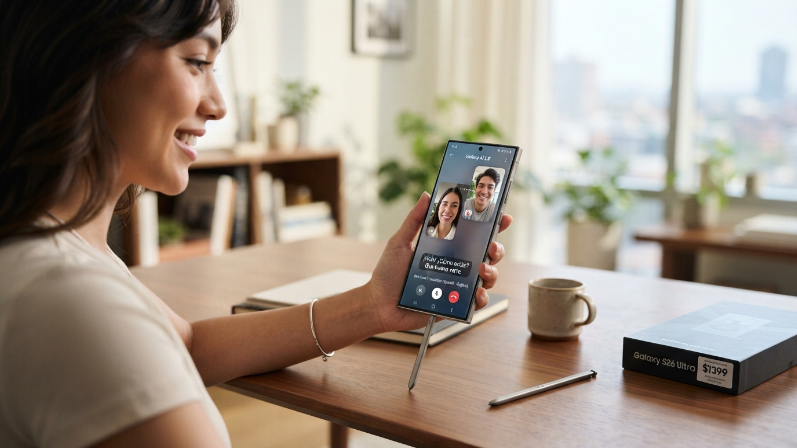
Samsung dropped the Galaxy S26 Ultra in January 2026, and it immediately set the bar. The Snapdragon 8 Elite Gen 2 chip makes everything feel instantaneous, from app launches to on-device AI processing. Samsung’s new Galaxy AI 2.0 suite now handles real-time language translation during video calls, not just audio.
The camera system finally moved to a 200MP main sensor with a variable aperture, which means low-light shots look dramatically better than the S25 Ultra. Battery life stretches to nearly two full days with moderate use. I’ve been using one since launch week, and the titanium frame still feels incredible in hand. The $1,399 starting price stings, but this is the phone other flagships have to beat.
2. Apple iPhone 17 Pro Max
Apple’s iPhone 17 Pro Max landed with the biggest design overhaul since the iPhone X. The rear panel now uses a partial aluminum and glass hybrid that makes it noticeably lighter. Apple Intelligence has matured significantly, with on-device summarization, smart reply drafting, and a Siri that finally feels conversational rather than robotic.
The 48MP ultrawide camera is new, and it pulls in so much more detail in group shots and landscapes. ProMotion now pushes to 240Hz for specific gaming scenarios, which is overkill but undeniably smooth. One thing I genuinely appreciate is the improved thermal management. Heavy camera use no longer turns the phone into a hand warmer. Starting at $1,299, it’s premium but competitive.
3. Google Pixel 10 Pro
Google went all-in on their custom Tensor G5 chip for the Pixel 10 Pro, and the results are wild. On-device AI processing is faster than anything I’ve tested. The phone can isolate and enhance individual voices in a noisy video recording after the fact, which feels like actual magic the first time you try it.
The camera hardware got a meaningful upgrade with a new 50MP telephoto lens that delivers 30x Space Zoom without looking like a watercolor painting. Night Sight is even better, pulling usable shots in near-total darkness. Google also finally nailed the battery situation. The Pixel 10 Pro comfortably lasts a full day of heavy use, which wasn’t always the case with earlier Pixels. At $999, this is the value king of the flagship tier.
4. OnePlus 14 Pro
OnePlus came out firing with the OnePlus 14 Pro, and it might be their best phone ever. The Snapdragon 8 Elite Gen 2 chip pairs with 16GB of RAM in the base model, making multitasking feel effortless. OxygenOS 15 is clean, fast, and stays out of your way, which is exactly what I want from software.
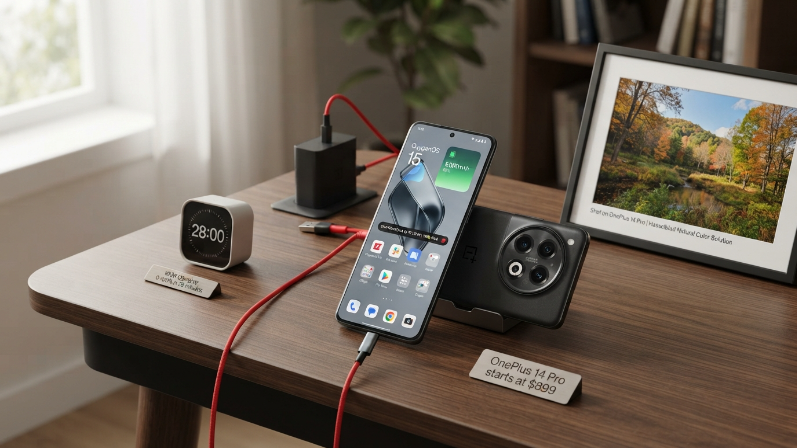
The 6,000mAh battery is massive, and 100W wired charging fills it from zero to full in about 28 minutes. I timed it. The Hasselblad-tuned triple camera system produces colors that look natural rather than oversaturated, a problem OnePlus struggled with in earlier generations. Pricing starts around $899, which undercuts Samsung and Apple by a healthy margin while delivering a nearly identical experience in daily use.
5. Samsung Galaxy Z Fold 7
Foldables finally feel like they’ve grown up, and the Galaxy Z Fold 7 proves it. Samsung shaved the crease down to the point where you genuinely forget it’s there during normal use. The inner display is now 8 inches with a brighter panel that works beautifully outdoors.
What really stands out is the S Pen integration. Samsung built a dedicated silo into the frame, so the stylus is always with you. Multitasking on the inner screen with three apps running simultaneously is genuinely useful for productivity. The outer cover screen is wider this generation, making it feel more like a regular phone when folded. At $1,799, it’s expensive, but it replaces both a phone and a small tablet. For frequent travelers, that tradeoff makes real sense.
6. Xiaomi 16 Ultra
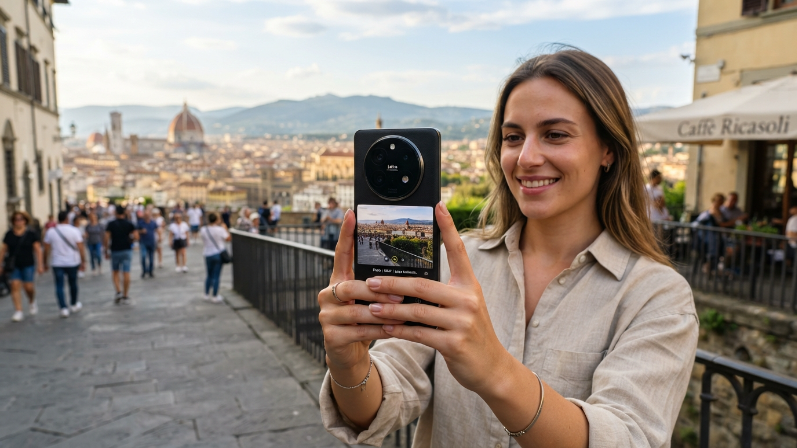
Xiaomi’s 16 Ultra is the phone camera enthusiasts have been waiting for. The Leica-tuned quad camera system includes a 1-inch main sensor that captures an absurd amount of light. Photos from this phone look like they came from a dedicated camera, not a smartphone. I compared shots side by side with my Sony A7 IV, and the Xiaomi held its own in good lighting.
The Snapdragon 8 Elite Gen 2 chip keeps everything running smooth, and HyperOS 3.0 is surprisingly refined. Xiaomi also packed in a 6,500mAh silicon-carbon battery that supports 120W wired and 50W wireless charging. Global availability has improved too. You can buy it through official channels in more markets than any previous Xiaomi Ultra. Pricing lands around $1,099, which is aggressive for what you get.
7. Google Pixel Fold 3
Google’s third-generation foldable finally nails the formula. The Pixel Fold 3 uses a new hinge mechanism that feels solid without adding bulk, and the inner 8-inch display is sharper and brighter than its predecessor. Google’s software optimization for the larger screen is where this phone shines brightest.
Apps adapt seamlessly between the cover screen and the inner display. Gemini AI features are built deep into the interface, allowing you to summarize long emails, generate quick replies, and even get contextual suggestions based on what’s currently on screen. The camera system borrows heavily from the Pixel 10 Pro, which means you’re getting flagship-level photography in a foldable. At $1,599, it undercuts Samsung’s Z Fold 7 while offering a more polished software experience.
8. Nothing Phone (3)
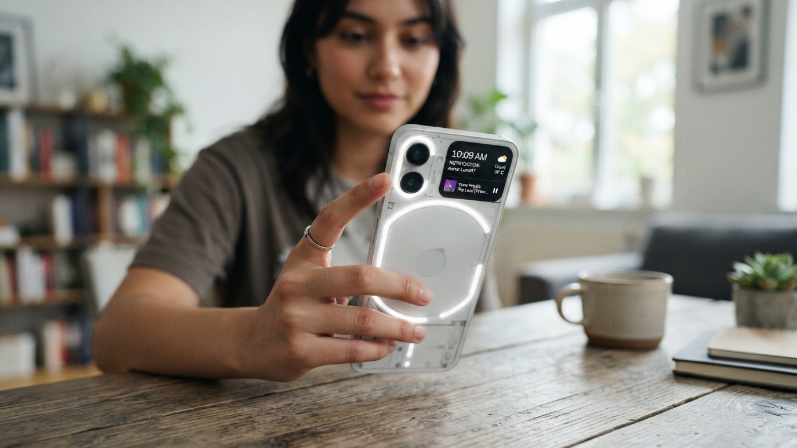
Nothing continues to be the most interesting mid-range brand, and the Phone (3) is their most ambitious device yet. The Glyph Interface on the back now includes a small secondary display that shows notifications, weather, and music controls without flipping the phone over. It’s genuinely useful, not just a gimmick.
Under the hood, the Dimensity 9400 chip handles everything from gaming to AI tasks smoothly. The dual 50MP camera system punches well above its price class, especially in well-lit conditions. Nothing OS 3.0 keeps the stock Android feel intact while adding subtle customization options that feel thoughtful. At $549, this is probably the best phone you can buy without crossing the $600 mark. It’s the phone I keep recommending to friends who refuse to spend over a grand.
9. Sony Xperia 1 VII
Sony continues to march to its own beat with the Xperia 1 VII, and honestly, I respect it. The 4K OLED display is still the sharpest panel on any smartphone, and content creators will love the manual camera controls that mirror Sony’s Alpha camera lineup. This phone is built for people who actually know what ISO and shutter speed mean.
The Exmor T sensor captures video in 4K 120fps with full manual control, which is ridiculous for a phone. Sony also improved the front-facing speakers, making them the loudest and clearest in any smartphone I’ve tested this year. Battery life is decent at around a day and a half with moderate use. At $1,199, it’s niche but exceptional for creators and audiophiles who want a phone that doubles as a serious production tool.
10. HONOR Magic7 Ultimate
HONOR has quietly been building some of the best smartphone cameras on the market, and the Magic7 Ultimate continues that trend. The periscope telephoto lens delivers stunning 100x zoom shots that maintain surprising clarity. The AI-powered image processing works overtime, cleaning up noise and sharpening details in real time.
The silicon-carbon 6,100mAh battery keeps the phone running for nearly two days, and 100W charging gets you back to full incredibly fast. MagicOS 9.0 is smooth and integrates AI assistant features throughout the system. HONOR’s biggest challenge remains brand awareness outside of Asia, but the Magic7 Ultimate is slowly changing that. At around $1,050 for global markets, it competes directly with Samsung and Apple on hardware while undercutting them on price.
Latest Smartphone Launches to Watch in 2026: What Trends Stand Out
A few clear patterns emerge across these launches. AI is no longer a marketing buzzword. Every major phone now runs meaningful AI features on-device, from photo enhancement to real-time translation. Battery technology has taken a massive leap thanks to silicon-carbon cells, with most flagships now lasting well beyond a full day. Foldables are finally reaching maturity, with reduced creases, better durability, and software that actually takes advantage of the larger screens. Camera systems keep pushing boundaries, with 1-inch sensors and periscope lenses becoming standard at the high end.
IMO, the most exciting shift is pricing competition. OnePlus, Xiaomi, and Nothing are forcing Samsung and Apple to justify their premium pricing, and that benefits everyone.
Frequently Asked Questions
Which 2026 smartphone has the best camera?
The Xiaomi 16 Ultra takes the crown for still photography thanks to its 1-inch Leica-tuned sensor. For video, the Sony Xperia 1 VII offers unmatched manual controls and 4K 120fps recording. If you want the best all-around camera with zero effort, the Google Pixel 10 Pro’s computational photography still leads the pack.
Are foldable phones worth buying in 2026?
Absolutely. The Galaxy Z Fold 7 and Pixel Fold 3 have addressed most early foldable complaints. Creases are nearly invisible, durability has improved significantly, and software actually uses the big screen well. If you want one device that handles both phone and tablet duties, 2026 foldables are genuinely ready for daily use.
What is the best budget-friendly flagship in 2026?
The Nothing Phone (3) at $549 delivers an incredible experience for the money. If you can stretch to $899, the OnePlus 14 Pro offers near-identical performance to phones costing $500 more. Both represent outstanding value without meaningful compromises in speed, camera quality, or build.
Which latest smartphone launches to watch in 2026 support satellite connectivity?
The iPhone 17 Pro Max and Samsung Galaxy S26 Ultra both support satellite messaging for emergencies. Google’s Pixel 10 Pro added satellite SOS as well. This feature is becoming standard across flagships, giving you a safety net when cellular coverage drops completely, which is reassuring for hikers and travelers.
How long do 2026 flagship phone batteries actually last?
Most 2026 flagships with silicon-carbon batteries last a full day and a half to two days with moderate use. The OnePlus 14 Pro and HONOR Magic7 Ultimate push closest to two days consistently. Fast charging has also improved across the board, with most phones hitting full charge in under 40 minutes.
Is it worth waiting for late 2026 phone releases?
FYI, Samsung and Google typically release second-half updates, and Apple’s iPhone 17 series launched in September. If none of the current options feel right, waiting for fall releases is reasonable. But the phones available now are so strong that holding out means missing months of enjoyment for potentially marginal improvements.
Conclusion
2026 is shaping up to be one of the strongest years for smartphones in recent memory, with real innovation happening across every price tier. Whether you care most about cameras, battery life, AI features, or foldable form factors, there’s a phone on this list that fits. So which one caught your eye, and what feature matters most to you this year?